Sustainable Solutions: How E-Waste Recycling Services Are Saving Our Planet
E-waste represents a considerable hazard to the environment, as discarded electronics often contain toxic materials. Such dangerous compounds can pollute soil and water supplies, causing extensive damage to surrounding ecosystems. E-waste recycling services present a viable solution. They successfully retrieve useful resources while simultaneously minimizing environmental pollution. Gaining insight into how these programs function and affect local communities is critical. Pursuing efficient e-waste management brings forth pressing questions regarding individual duties and shared responsibility. What actions should be considered going forward?
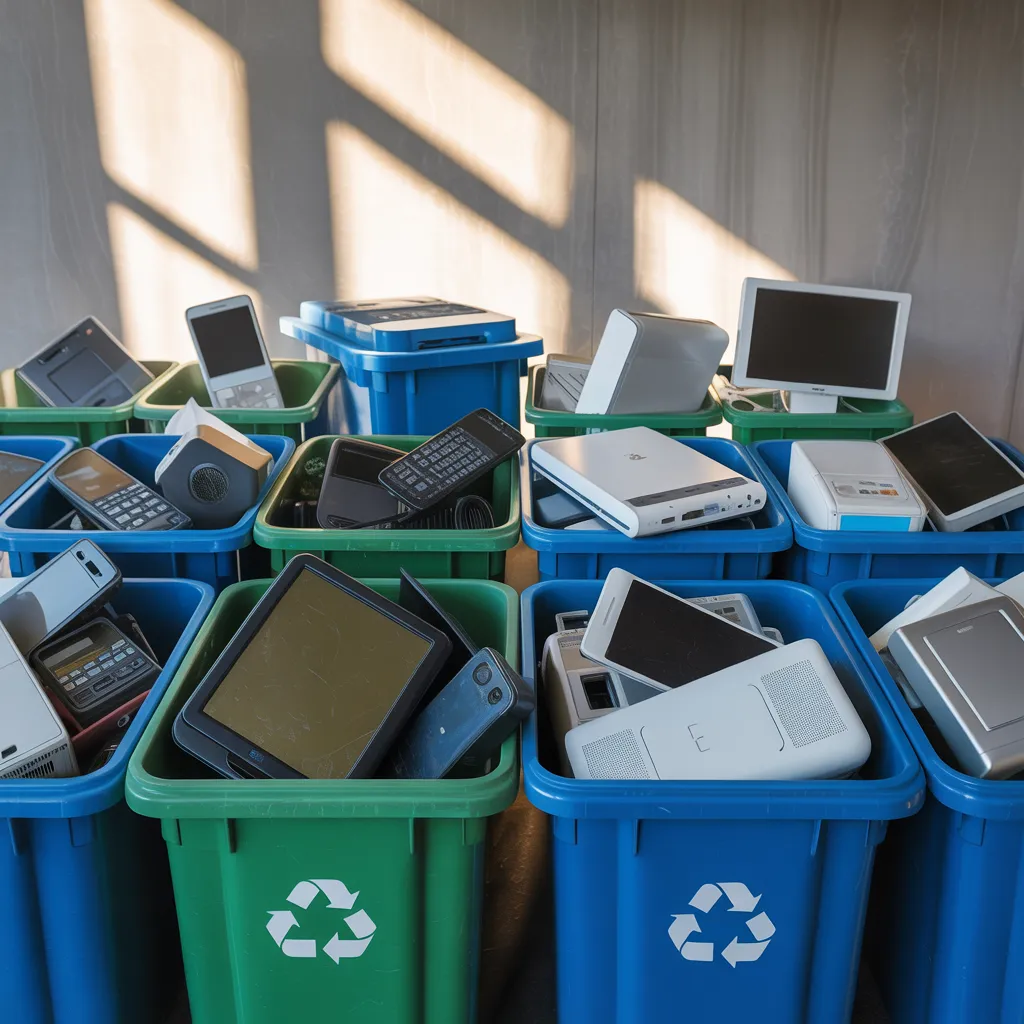
How E-Waste Is Hurting the Planet
Although technological advancements improve our daily lives, e-waste creates serious See the full post threats to the environment. Abandoned electronic gadgets, often containing dangerous compounds like cadmium, lead, and mercury, may release harmful substances into the surrounding soil and water supply, creating hazards for ecosystems and human health. The rapid pace of technological advancement contributes to higher rates of electronics disposal among consumers, worsening the buildup of electronic waste.
Landfills, already strained by waste, are unable to keep up with the rising quantities of abandoned electronics. Incineration, another disposal method, releases harmful pollutants into the atmosphere, contributing to air quality degradation. Moreover, poor recycling procedures can cause e-waste to be sent to developing regions, where employees may disassemble electronics without sufficient safety precautions, leaving them vulnerable to harmful substances. This ongoing cycle of carelessness and inadequate management emphasizes the pressing necessity for responsible recycling initiatives that can lessen the harmful consequences of e-waste on our world.
What Is E-Waste and Why Does It Matter?
Electronic waste, commonly known as e-waste, includes discarded electronic devices such as computers, smartphones, and televisions that have exceeded their operational lifespan. This increasingly prevalent form of waste is important because of its swift buildup, fueled by innovation in technology and shifting consumer habits. As growing numbers of electronics become outdated, the toll on the environment grows more severe, with toxic materials such as lead, mercury, and cadmium posing risks to ecosystems and human health.
The significance of tackling e-waste extends beyond minimizing these risks to recognizing the valuable resources it holds. Valuable metals and rare earth materials can be extracted and repurposed, lessening the demand for mining and preserving natural resources. By understanding e-waste and its implications, individuals and organizations can make informed decisions about disposal and recycling, ultimately contributing to a more sustainable future. Responsible management of e-waste plays a key role in supporting a circular economy and championing environmental stewardship.
How E-Waste Recycling Works
E-waste recycling entails a structured approach aimed at reclaiming useful resources while reducing harm to the environment. To begin, electronic waste is gathered and delivered to specialized recycling facilities. After reaching the facility, the devices undergo thorough sorting to isolate dangerous parts from recoverable materials.
Following this, workers dismantle the items, extracting plastics, metals, and glass. This phase is essential, as it allows for the recovery of high-value metals like silver, gold, and copper, which can be recycled in new electronic devices.
Next, the separated materials are treated with cutting-edge techniques, such as chemical treatments and shredding, to prepare them for repurposing.
Ultimately, the residual dangerous materials are managed properly, following environmental guidelines. This systematic method not only saves important resources but also minimizes the hazards connected to unsafe e-waste handling, securing a more eco-conscious future for electronic device usage.
Advantages of E-Waste Recycling for You and Your Community
Although it often goes unnoticed, the benefits of e-waste recycling extend beyond personal convenience to positively impact entire communities. By responsibly disposing of electronic waste, individuals help foster a safer environment, decreasing hazardous materials that can leach into soil and water. This forward-thinking practice actively safeguards local ecosystems and promotes public health.
In addition, the recycling of e-waste encourages job creation within communities. Regional recycling centers frequently need staff for a range of functions, covering everything from collection to processing, thereby providing employment opportunities for local residents. This not only strengthens the regional economy but also fosters community involvement in eco-friendly practices.
In addition, familiarity with e-waste recycling is capable of inspiring educational initiatives, equipping residents to make environmentally conscious decisions. By enrolling in e-waste recycling programs, individuals foster a culture of sustainability, encouraging others to follow suit. Overall, the shared impact of these actions can result in a more resilient and environmentally responsible community.
How to Choose an E-Waste Recycling Service
Selecting the right electronic waste recycling provider is vital for guaranteeing that electronic waste is processed responsibly and sustainably. Initially, consumers should verify the company's credentials, such as R2 or e-Stewards, which demonstrate adherence to industry standards for responsible recycling methods. It is equally important to assess the company's credibility by checking reviews and looking for advice from dependable sources.
Next, transparency in the recycling process is vital. A trustworthy provider should offer detailed insights about the manner in which e-waste is managed and what becomes of the materials. Moreover, evaluating the range of services offered can be beneficial; some companies may provide pickup services or offer incentives for recycling.
Furthermore, learning about area-specific requirements for e-waste disposal can additionally influence the evaluation process. When these considerations are given priority, consumers can play a role in efficient electronic waste handling while supporting sustainable environmental efforts.
Ways You Can Participate in E-Waste Recycling?
Getting involved with e-waste recycling may begin at the local level, where recycling centers regularly supply essential services for responsible disposal. Furthermore, participating in community awareness campaigns can amplify efforts to inform others regarding the importance of ethical e-waste practices. These initiatives not only encourage sustainable practices but also cultivate a collective sense of accountability for the environment.
Area Recycling Stations
Numerous regional recycling hubs serve a vital function in electronic waste recycling, providing communities with accessible options to handle electronic waste in a responsible manner. These hubs welcome a range of electronic items, including aging computers, cell phones, and television sets, ensuring that harmful materials are handled safely. Most centers are equipped with qualified professionals who support individuals in understanding proper disposal practices, underscoring the benefits of recycling compared to landfilling. Additionally, several stations organize scheduled drop-off occasions or specific collection dates, allowing residents to take part with ease. By utilizing these local services, residents support a circular economy, lowering environmental harm and encouraging sustainable habits. Partnering with these facilities enables communities to combat e-waste pollution successfully.
Community Education Campaigns
Community groups, educational institutions, and companies can work together to organize events that support e-waste collection drives. Dedicated participants can take a leading part in promoting knowledge, handing out educational content, and interacting with the surrounding community. By means of these joint initiatives, community members grow more knowledgeable and inspired to dispose of their electronics responsibly, ultimately contributing to a more sustainable future.
Frequently Asked Questions
Which Types of Electronics Are Recyclable?
Numerous electronics may be recycled, including smartphones, computers, laptops, televisions, printers, and gaming consoles. Furthermore, ancillary devices such as keyboards, mice, and batteries are well-suited for recycling, contributing to efforts to conserve the environment.
Is There a Cost Associated With E-Waste Recycling?
Yes, e-waste recycling sometimes comes with charges, subject to the provider. Some facilities impose charges for collection or processing, while other facilities offer free services, typically funded by the proceeds from salvaged materials.
How Can Businesses Benefit From E-Waste Recycling?
Organizations can gain from e-waste recycling by minimizing disposal costs, strengthening their ecological standing, adhering to regulatory requirements, reclaiming useful materials, and possibly earning income through resale, thereby fostering a more environmentally responsible business approach.
What Occurs with Data on Recycled Devices?
Details on repurposed equipment is commonly permanently erased or eliminated throughout the recycling process. This guarantees sensitive information is kept safe, preventing unauthorized access while allowing resources to be recycled carefully and ethically in new products.
Is It Possible to Recycle Damaged Electronics?
Absolutely, non-functioning electronics may be recycled. Many centers process damaged devices, providing safe disposal and retrieval of valuable materials. This helps minimize environmental impact while supporting responsible recycling practices to manage electrical waste properly.